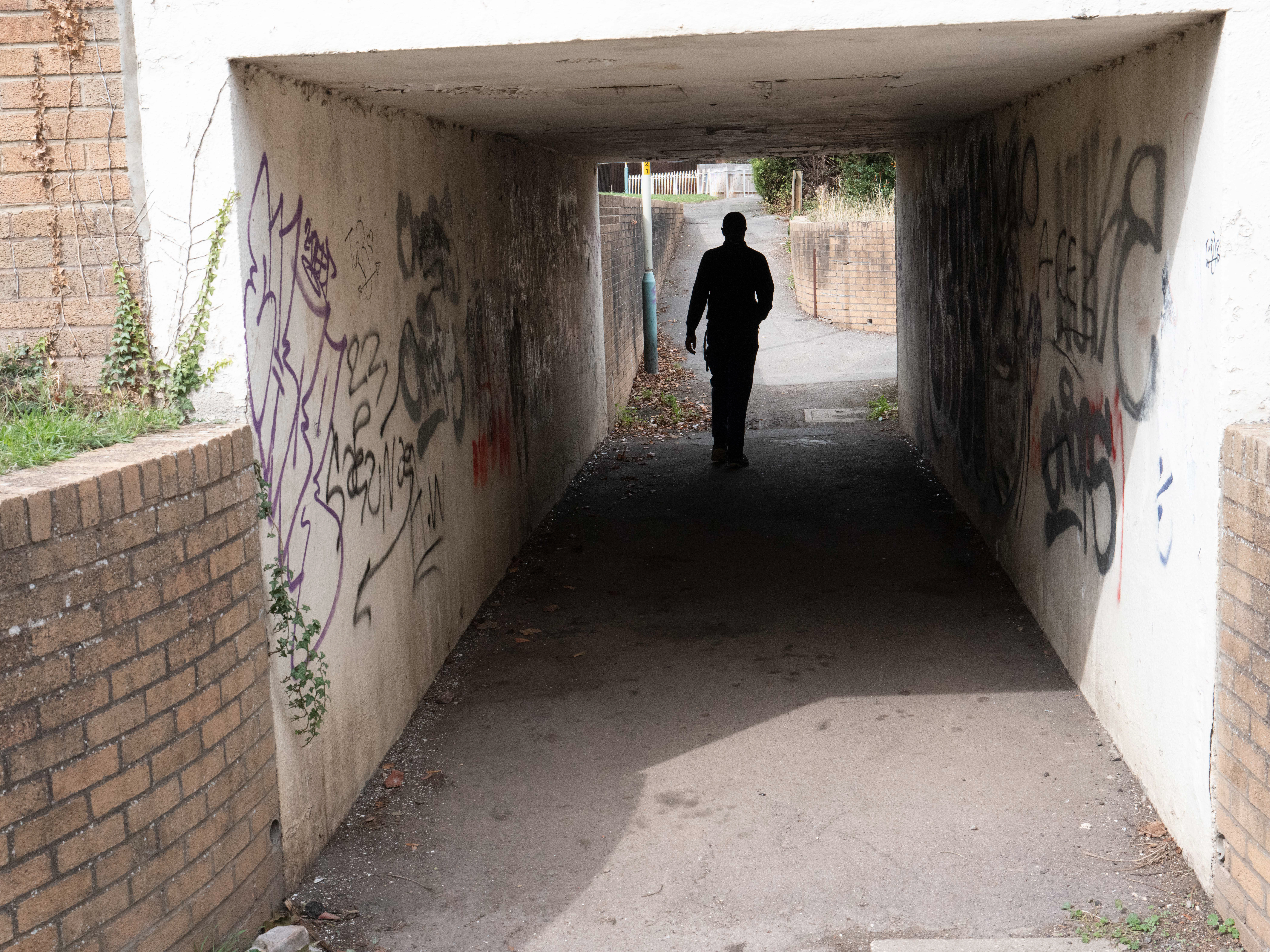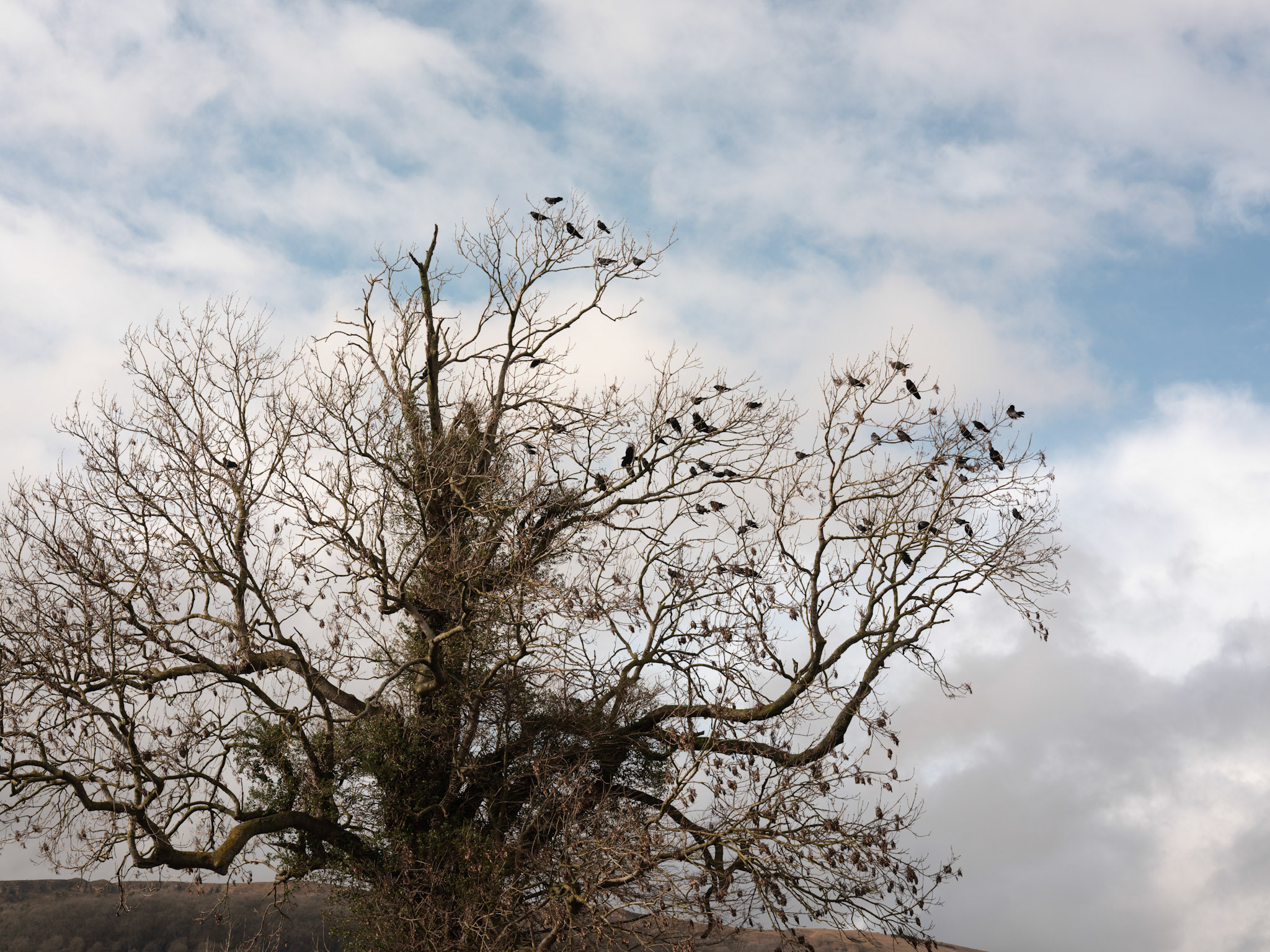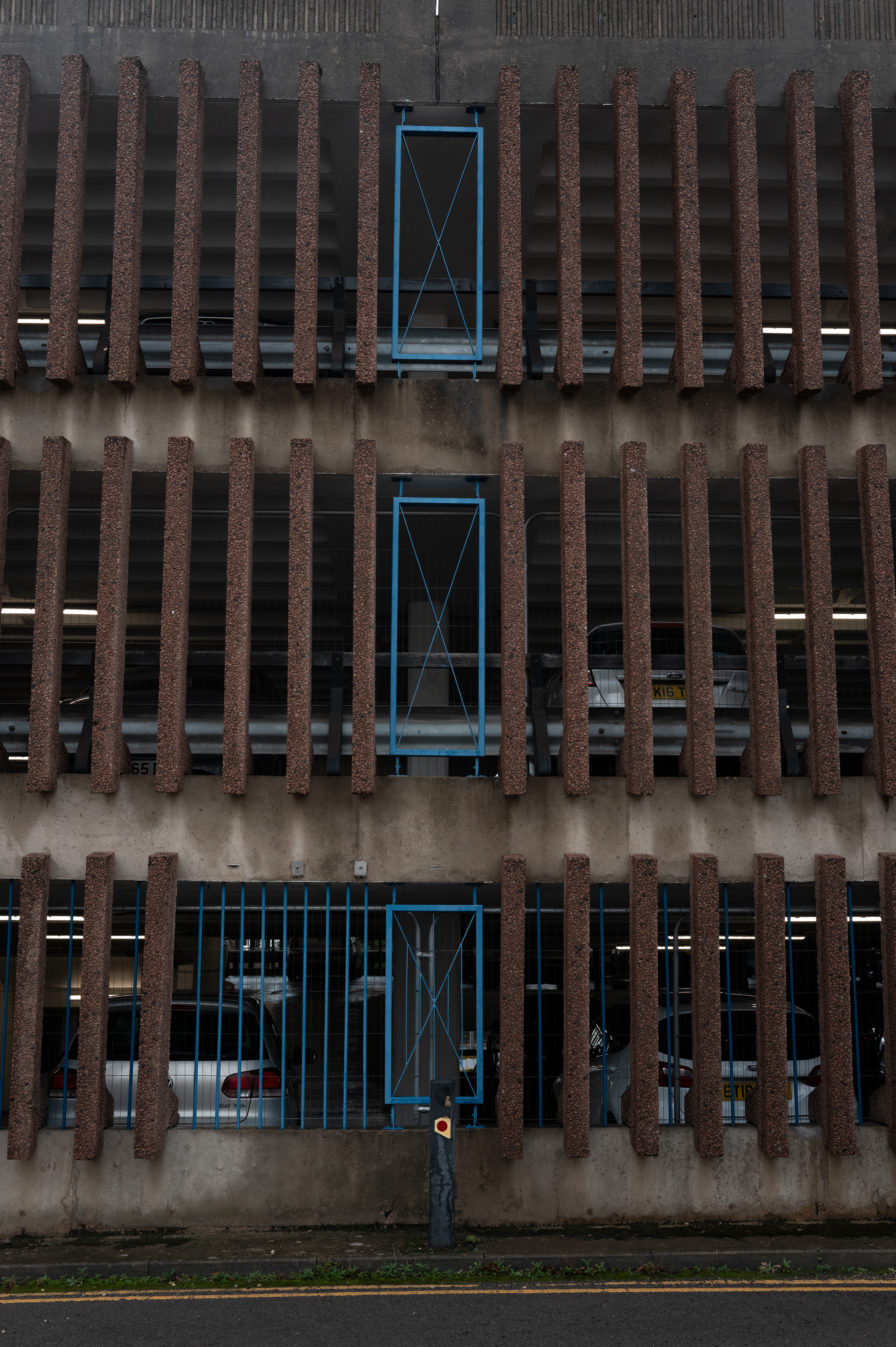
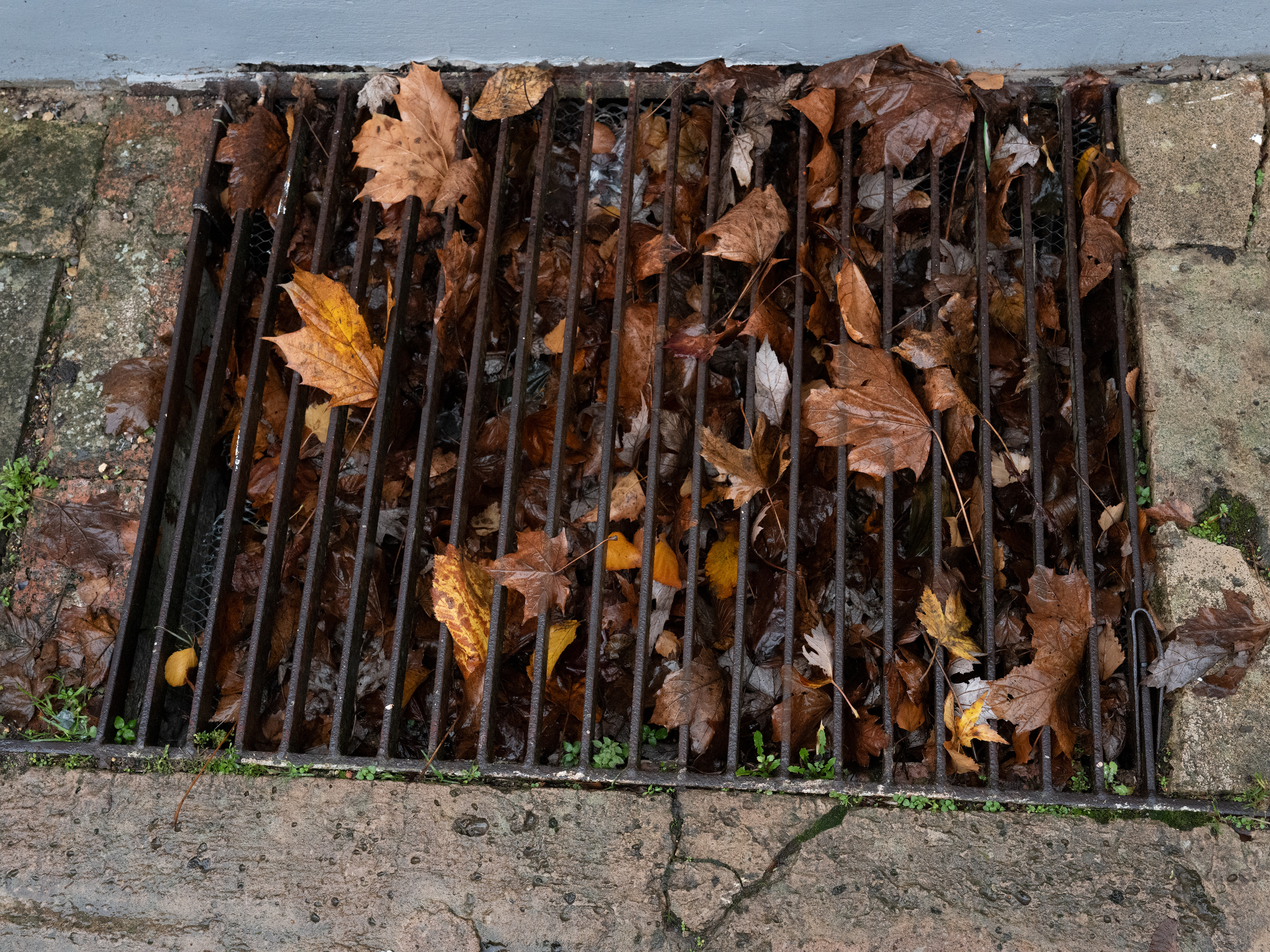
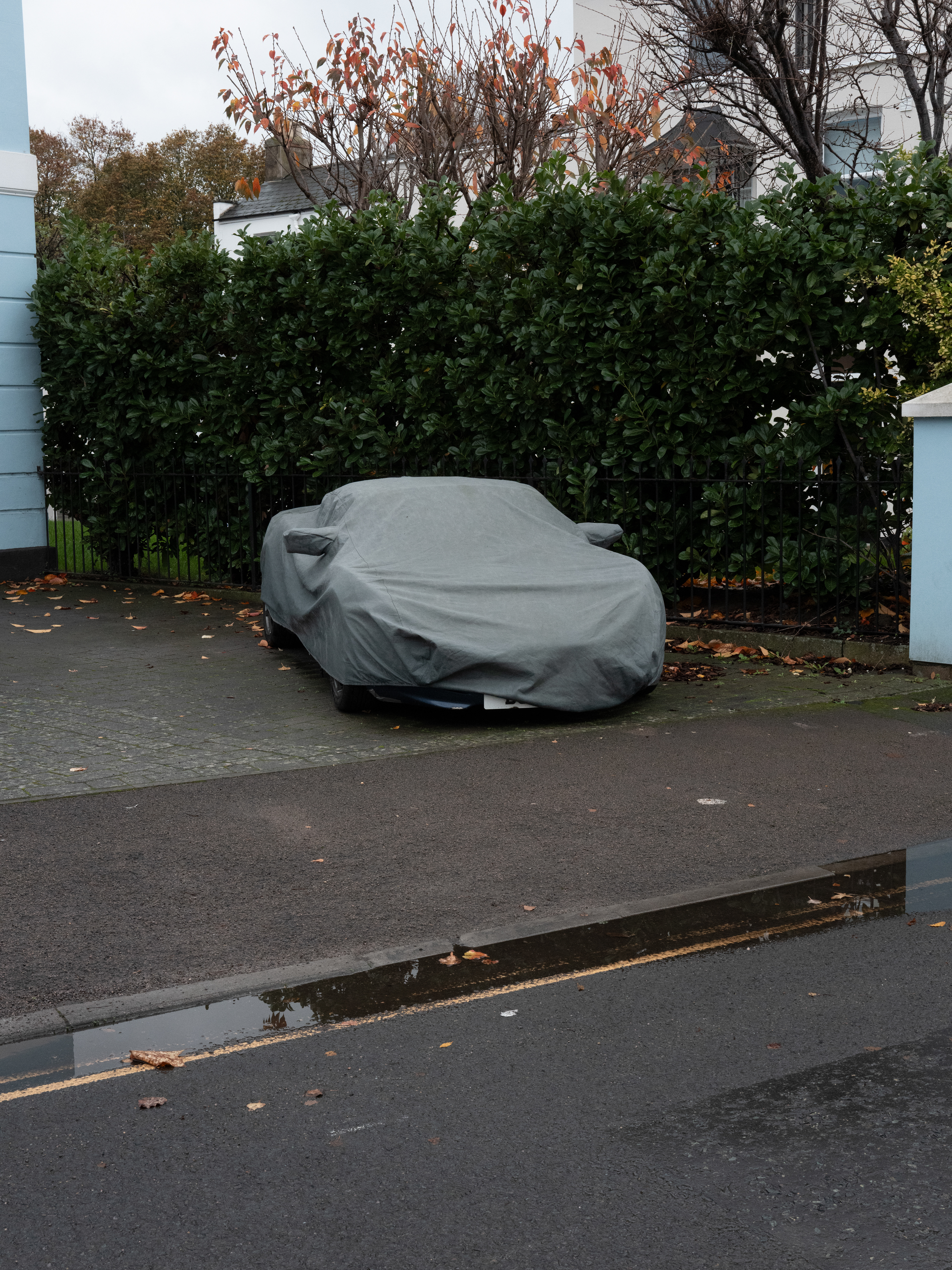
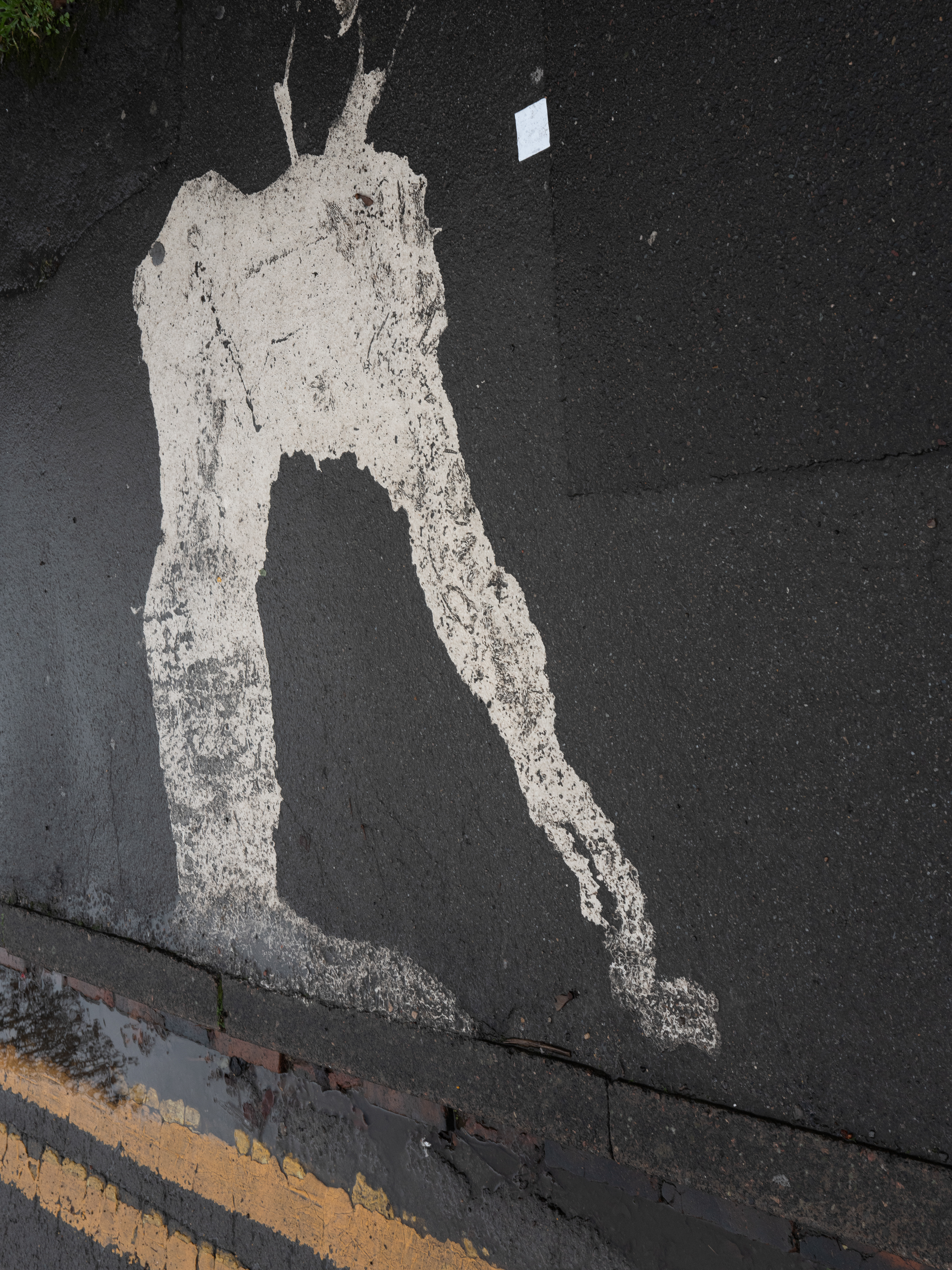

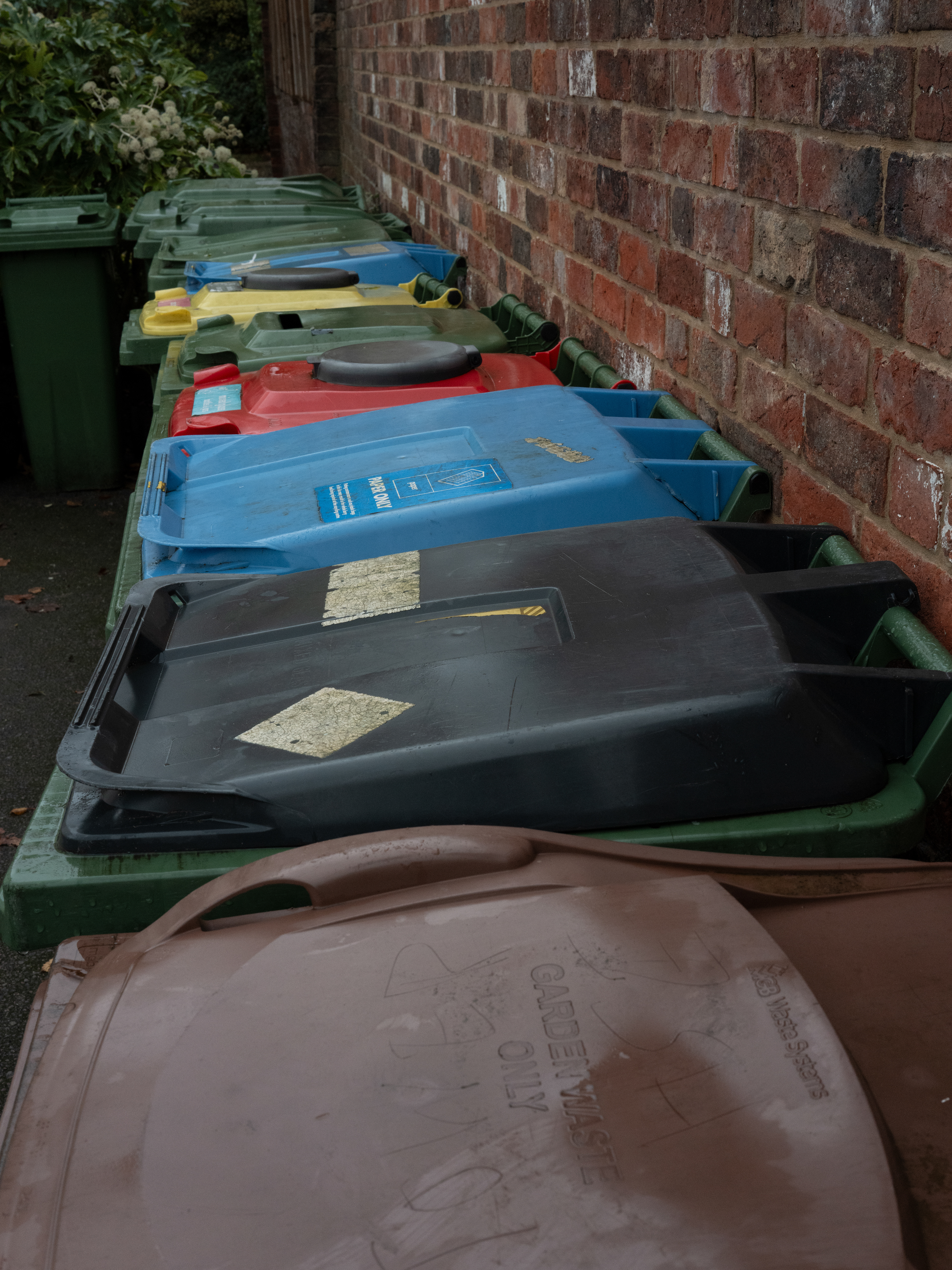
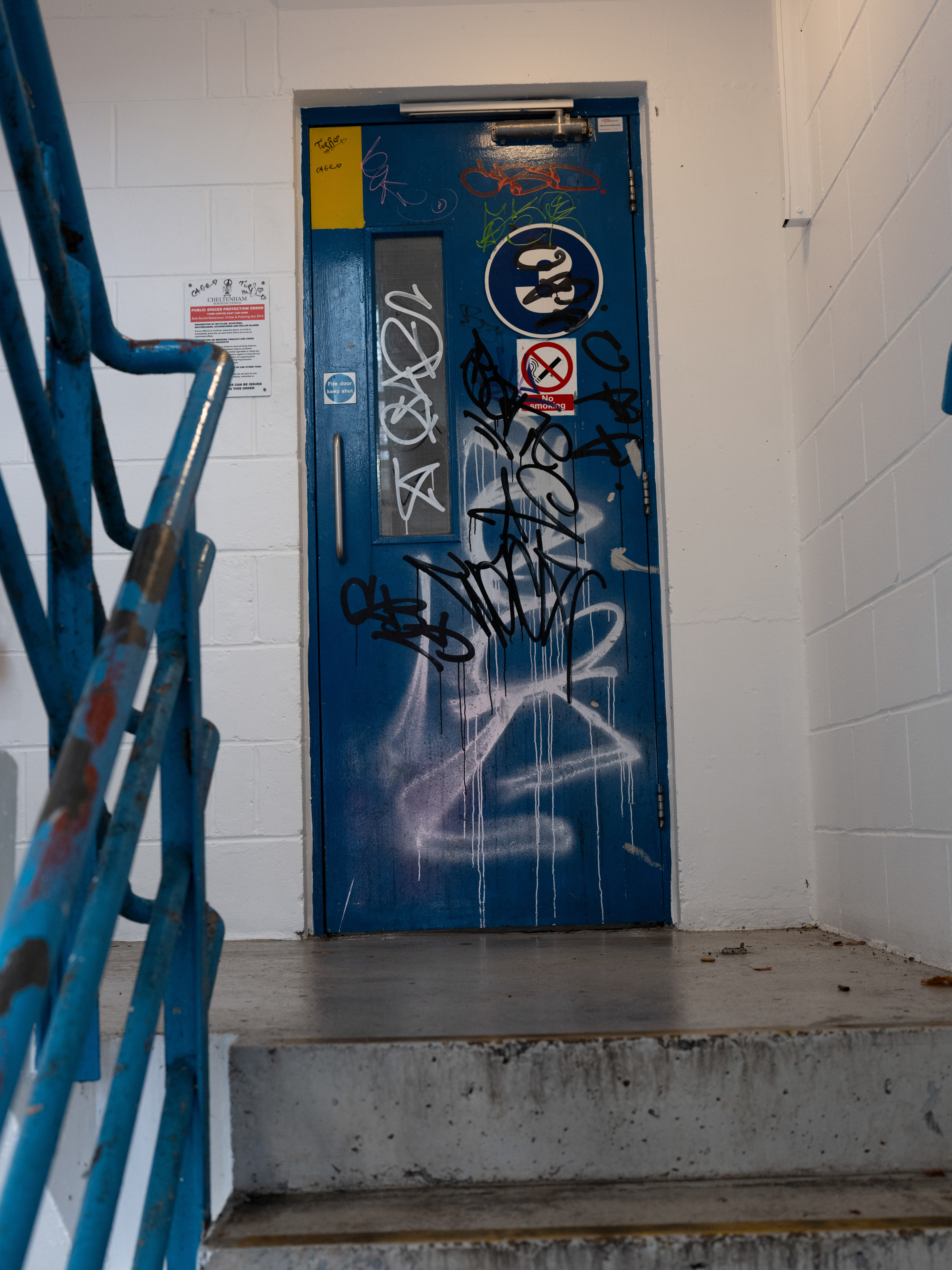
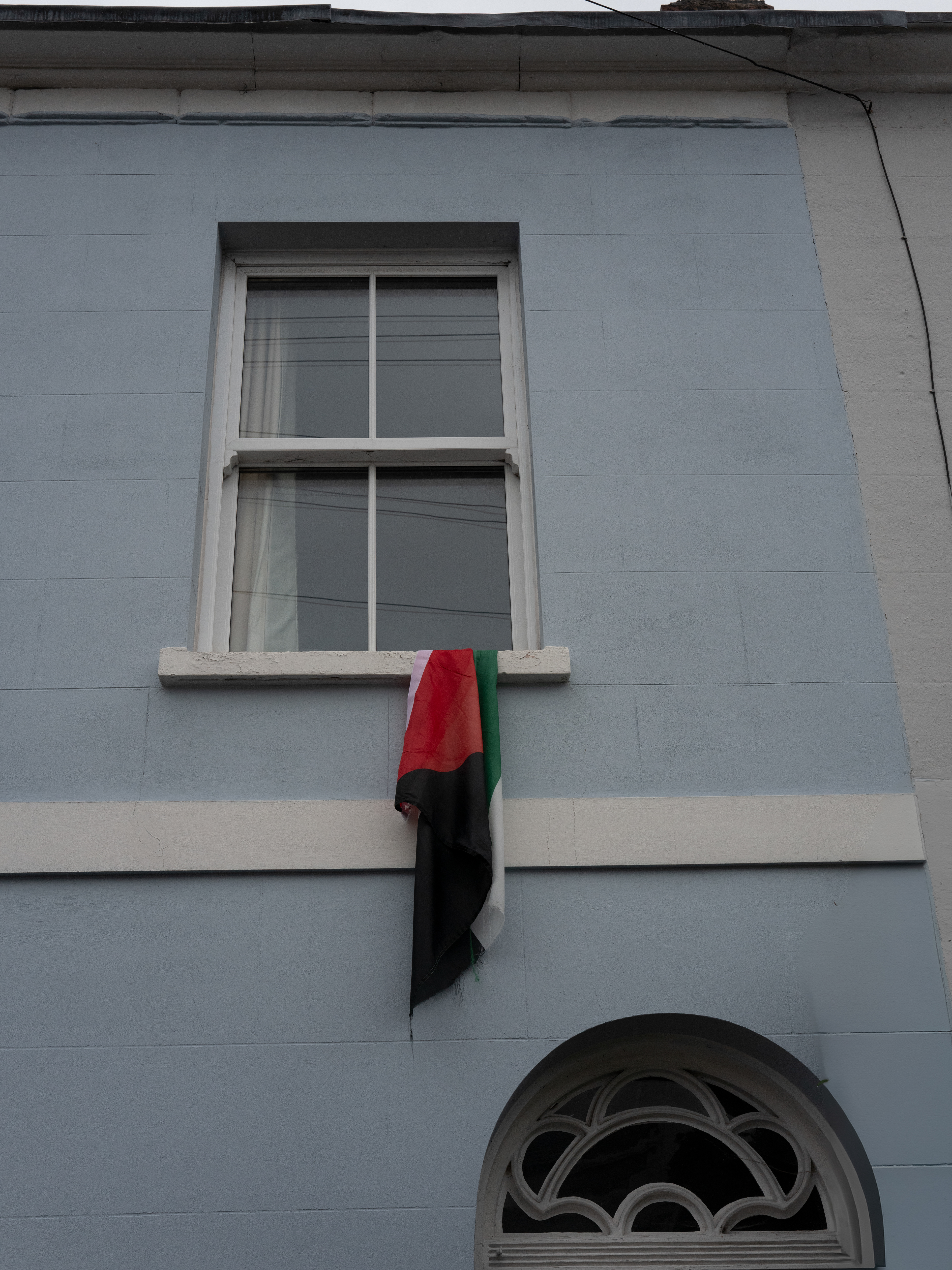
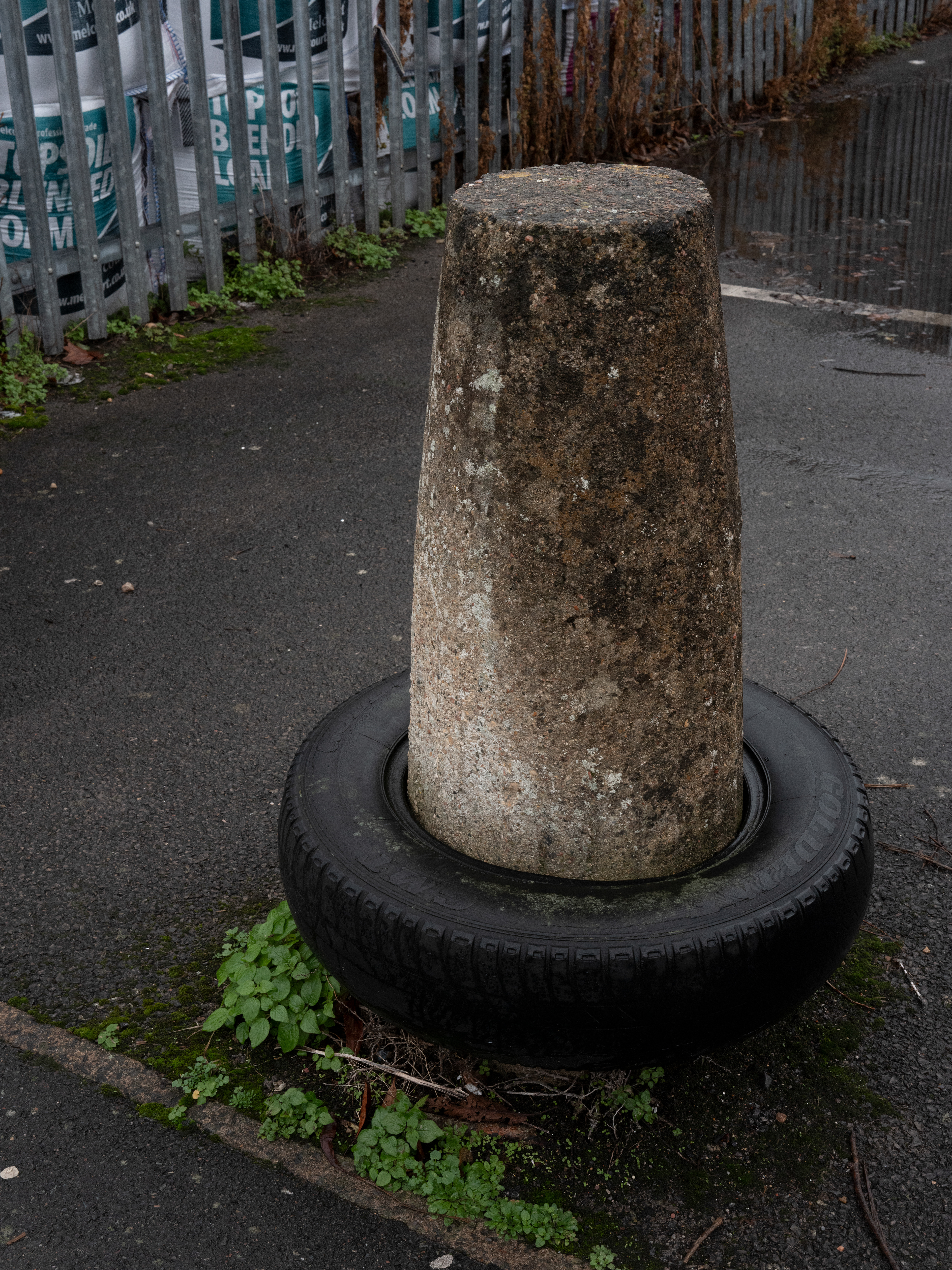
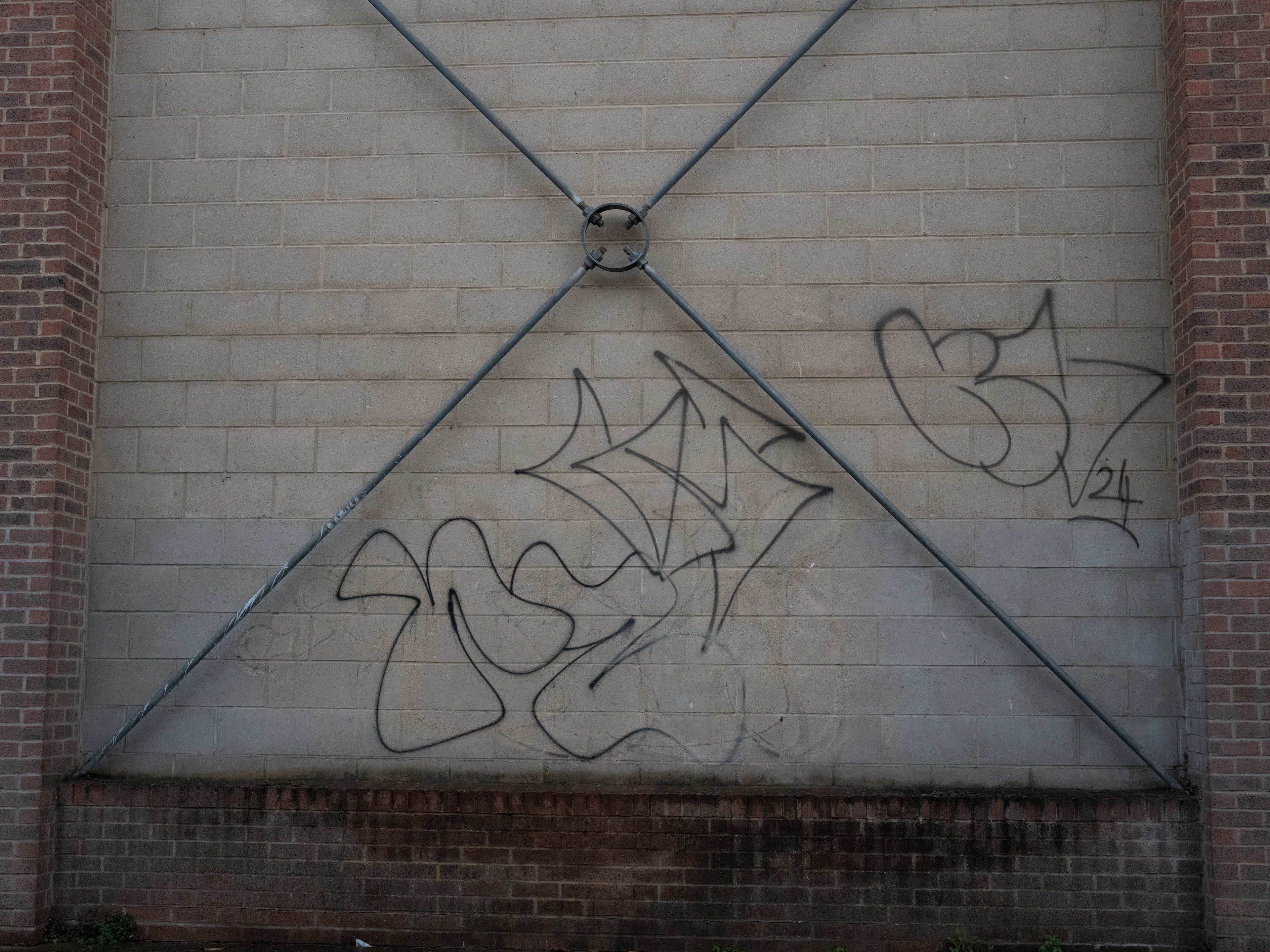
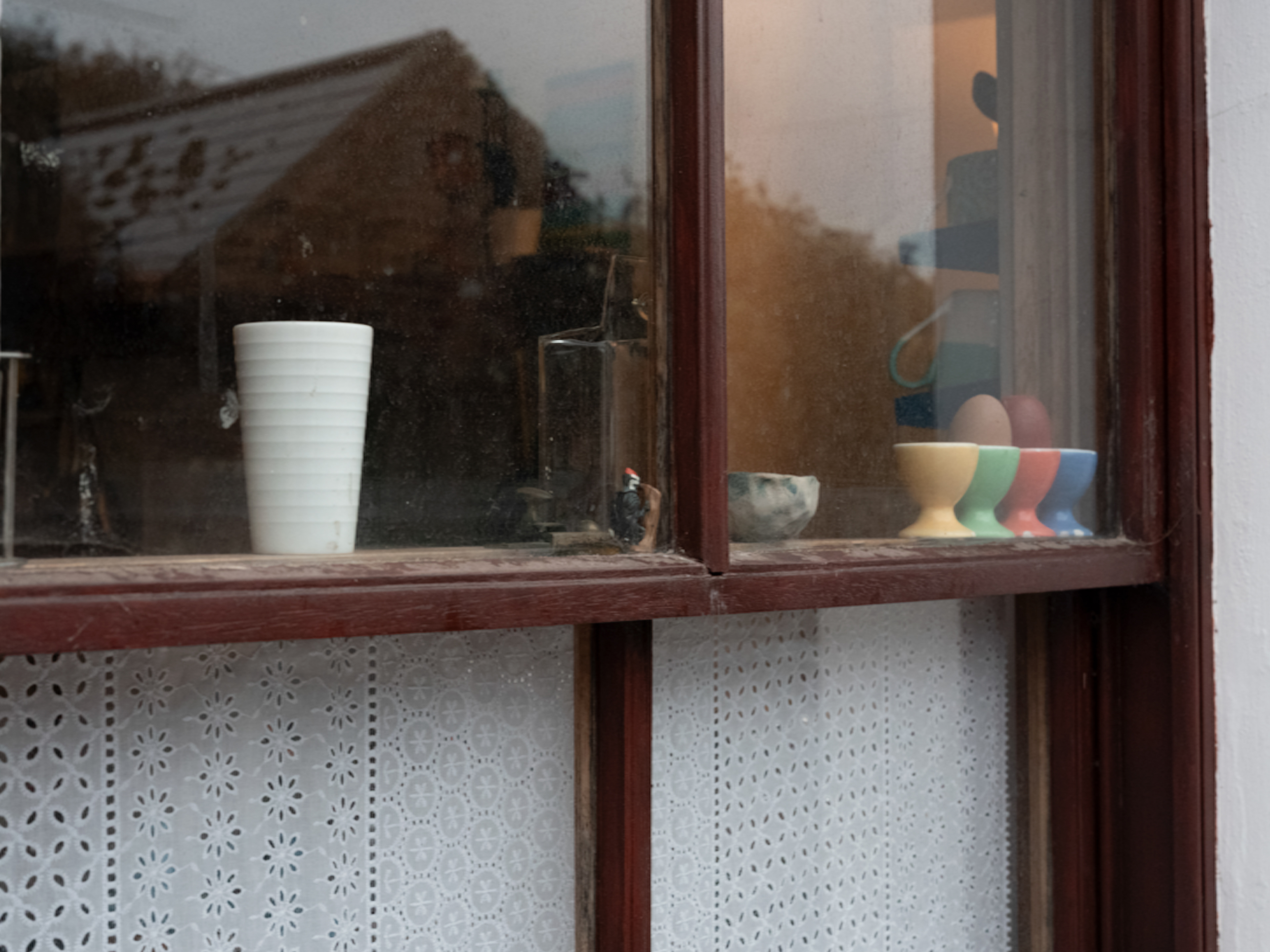
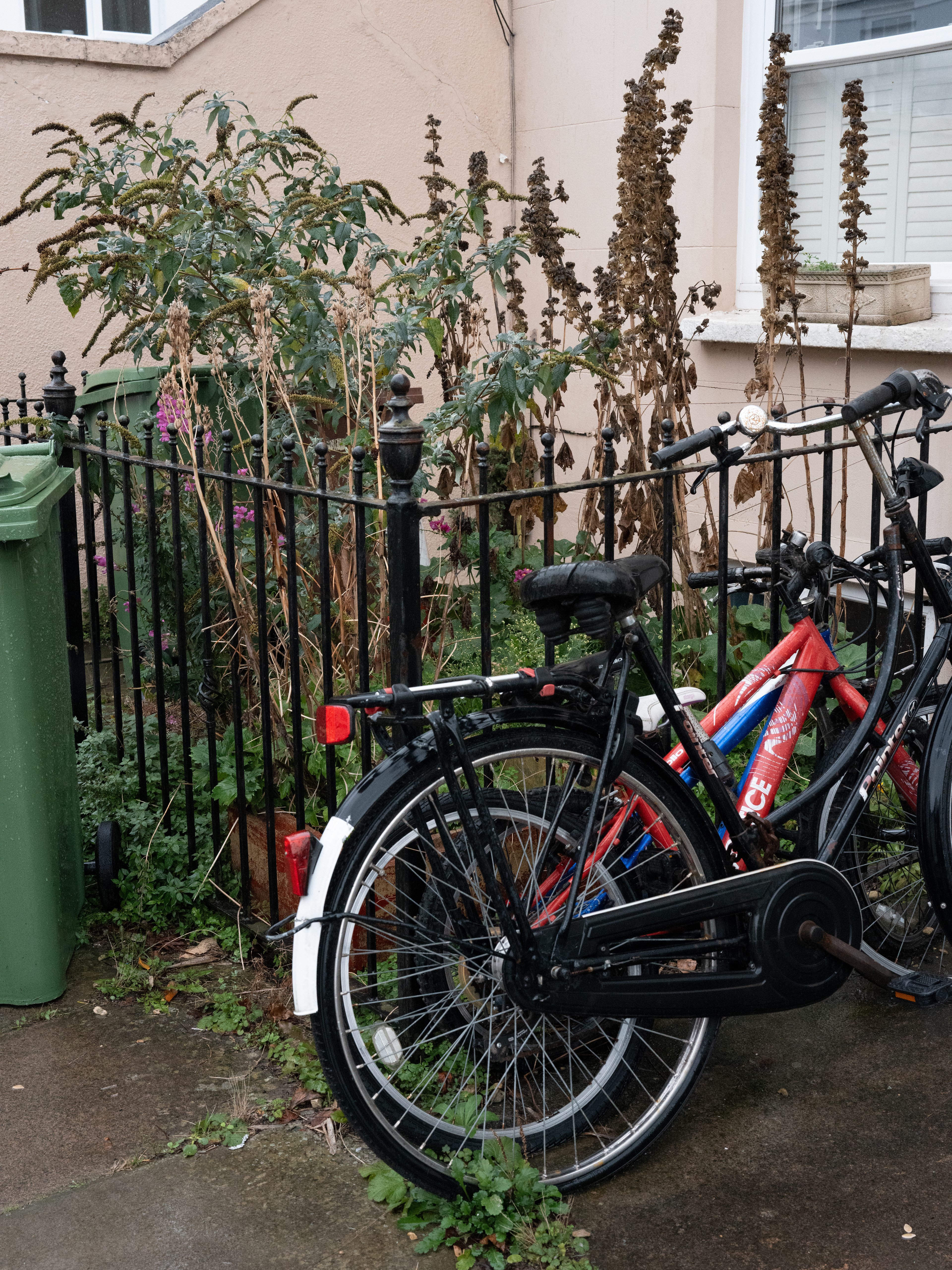
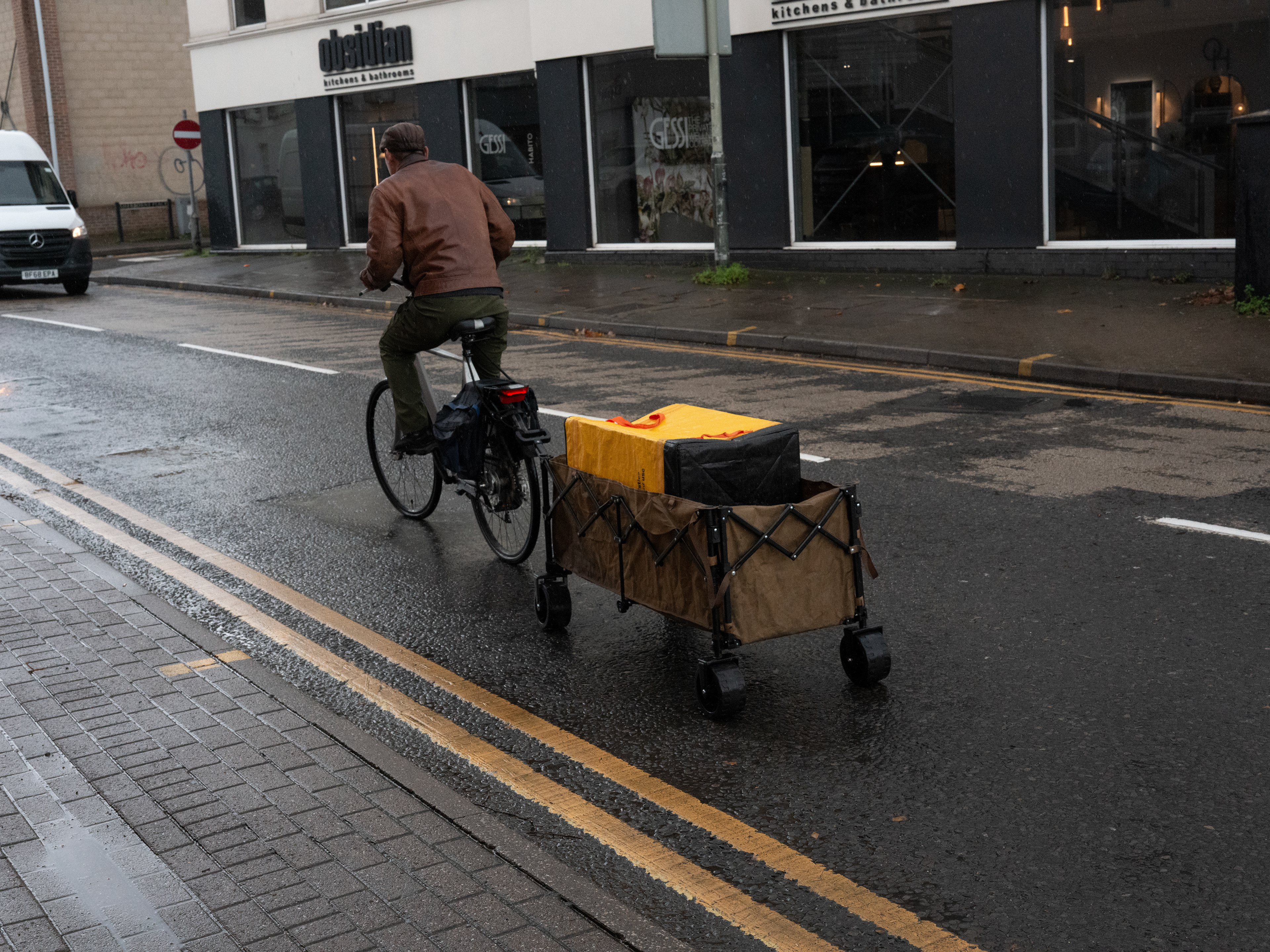
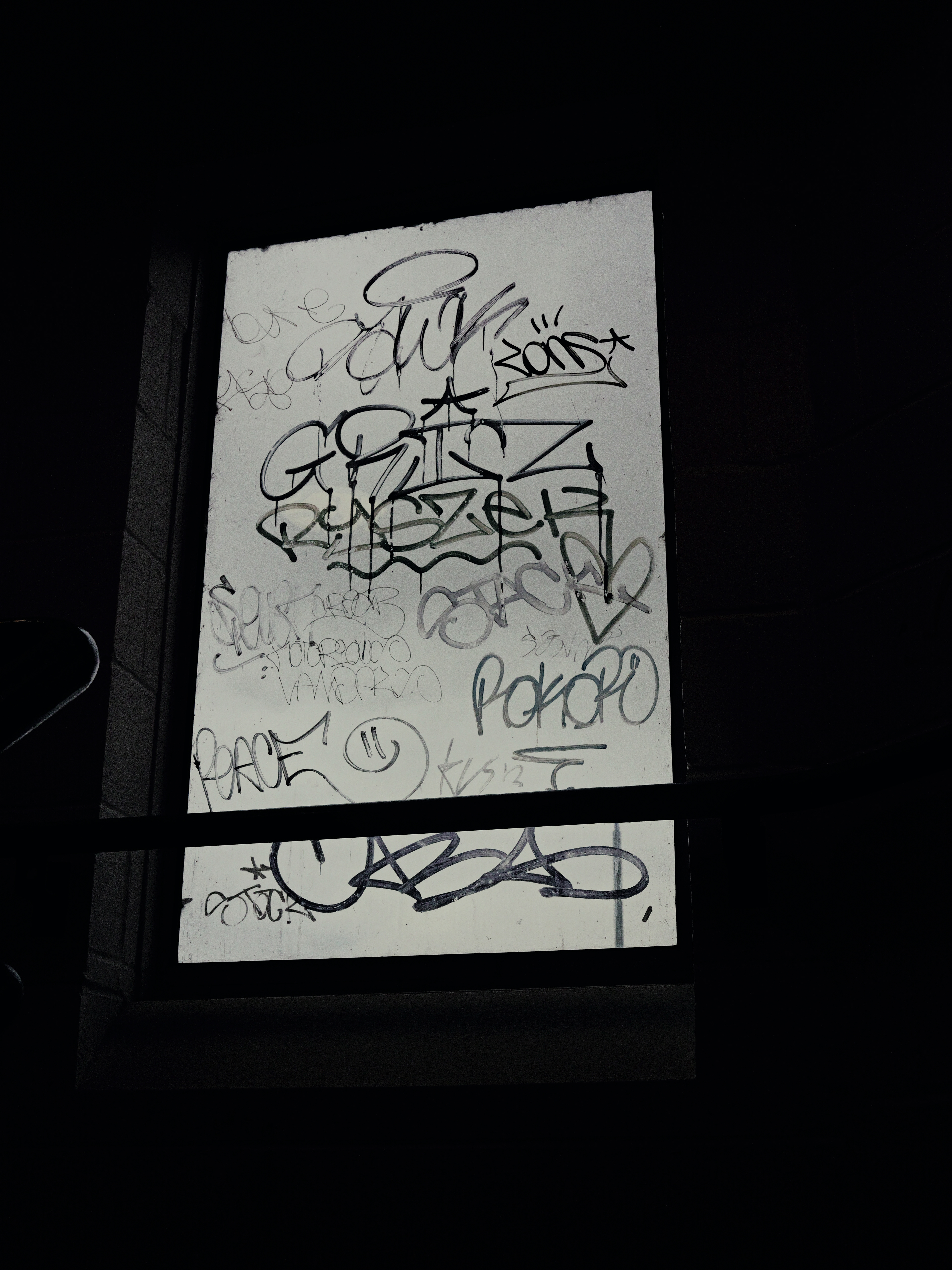
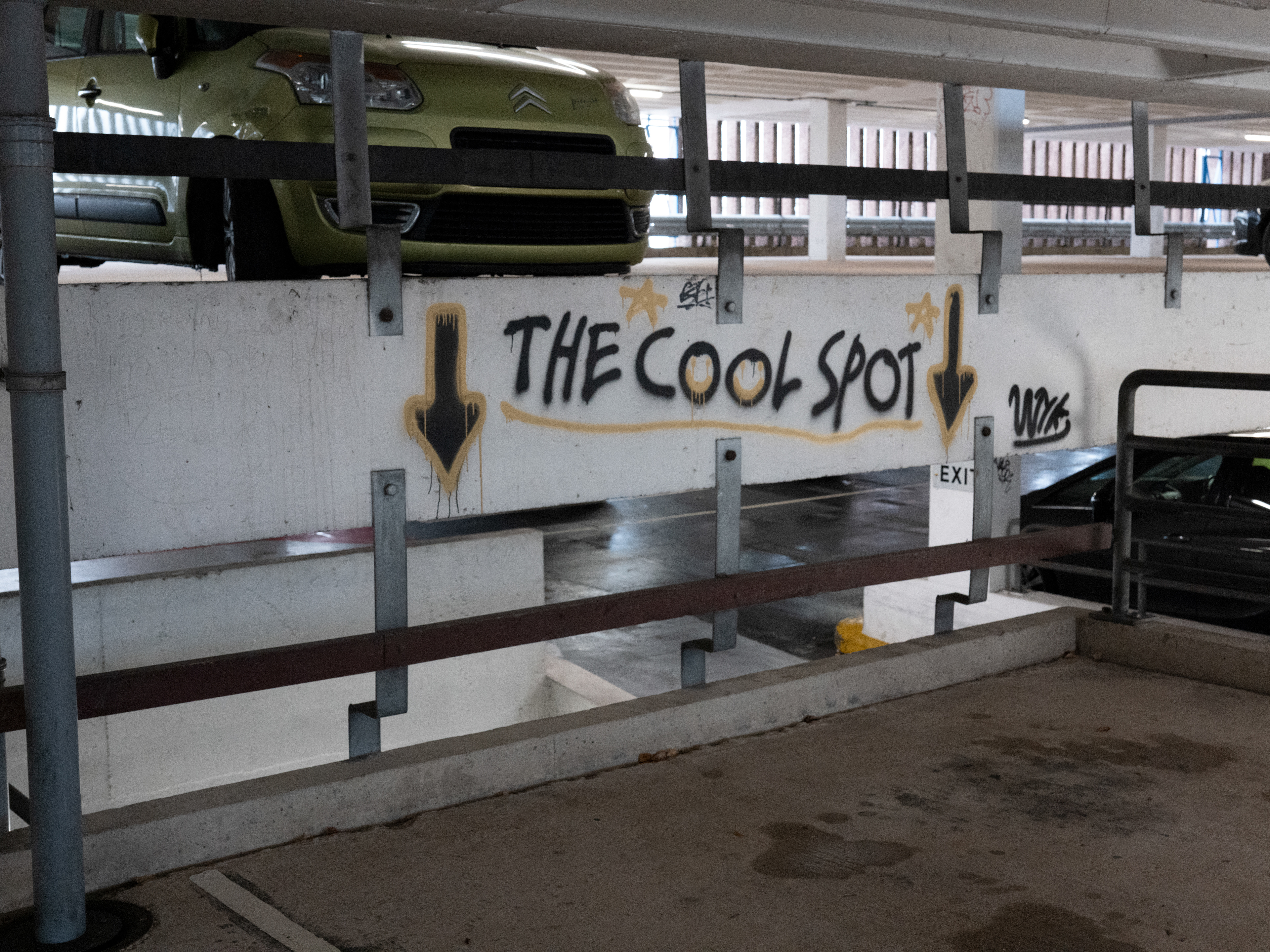
Change arrived as a quiet shift in tempo. A long-ignored boundary asserted itself, redirecting any attempt at forward rhythm. Nearby, lighter systems continued their circular dialogue, unconcerned with stoppages or thresholds. Marks of past impulses clung to hard surfaces, layered meanings echoing forgotten declarations. The stalled presence considered these traces, sensing an invitation to reinterpret its own inertia. In that pause, transition became less about destination and more about the evolving pattern of forces—some resisting, some flowing freely. When movement finally returned, it carried the memory of constraint shaped into a new intention and possibility.